Jewelry presentation requires a lot of emphasis in an ever-growing industry. Display stands help in showcasing beautiful designs and ensure retailers meet the multiplicity of international standards. A recent report published by Grand View Research states that the global jewelry market will touch USD 480.5 billion by 2025, as it will be fueled by increasing consumer demand and sales in the online retail segment. For this reason, both knowledge and compliance with the import and export regulations regarding jewelry display stands are mandatory for companies seeking to succeed in a competitive arena.
The expanding market complexity is in exact consonance with the expanding complexities of international trade. The statistics suggest that 70% of jewelers put a high value on conforming to international standards when sourcing their display equipment. Thus arises the necessity for companies to skillfully maneuver through various regulatory frameworks. Displays are thus atypical and beautiful to the regions in which the products being displayed are carried but are made in accord with the safety and sustainability guidelines duly found there. Thus, understanding global standards would empower jewelers and retailers to make educated decisions, enhance their displays, and elevate the entire shopping experience for consumers.
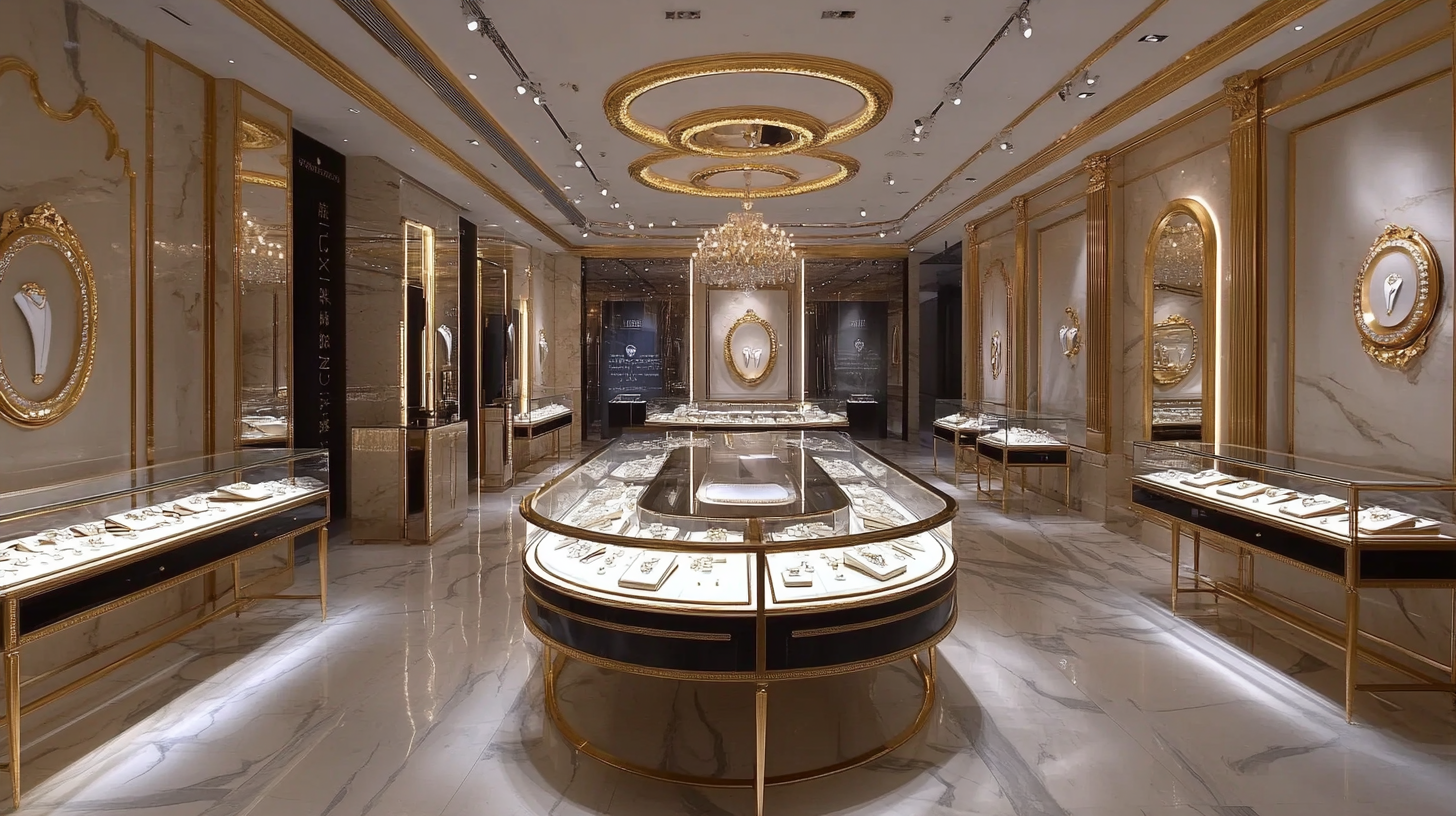
Over the years, dynamics of trade in the global jewelry display stand market have constantly changed. Recently, it was revealed by Market Research Future that the global jewelry display market would grow to USD 2.4 billion by the year 2025 at a CAGR of 4.8% from 2020. The major factor driving the growth of the market is demand for unique solutions in displays to entice both retail and online shoppers since the jewelry industry is elevating its focus on branding and customer experience where strong display solutions will prove to be critical to drawing in consumers. Trade dynamics are telling a different story with respect to regional demand shift. North America is the dominant market-all with over 35% of the global share for jewelry display stands. The majority of the luxury jewelry retailers supply this market and are increasingly gravitating towards e-commerce platforms which demand innovative display solutions for product enhancement visibility. In contrast, the Asia-Pacific region is expected to show the highest growth in demand. Statistically, China boasts the largest figures in jewelry display stand exports, accounting for about 60% of world exports. According to Federation of International Trade Associations, the leading markets include the United States, Canada, and Germany, all of which keep high imports of such products to enhance their retail infrastructure. This scenario brings the importance of understanding the global standards and regulations guiding such imports and exports of jewelry display stands to ensure compliance and to ease the trade flow across borders.
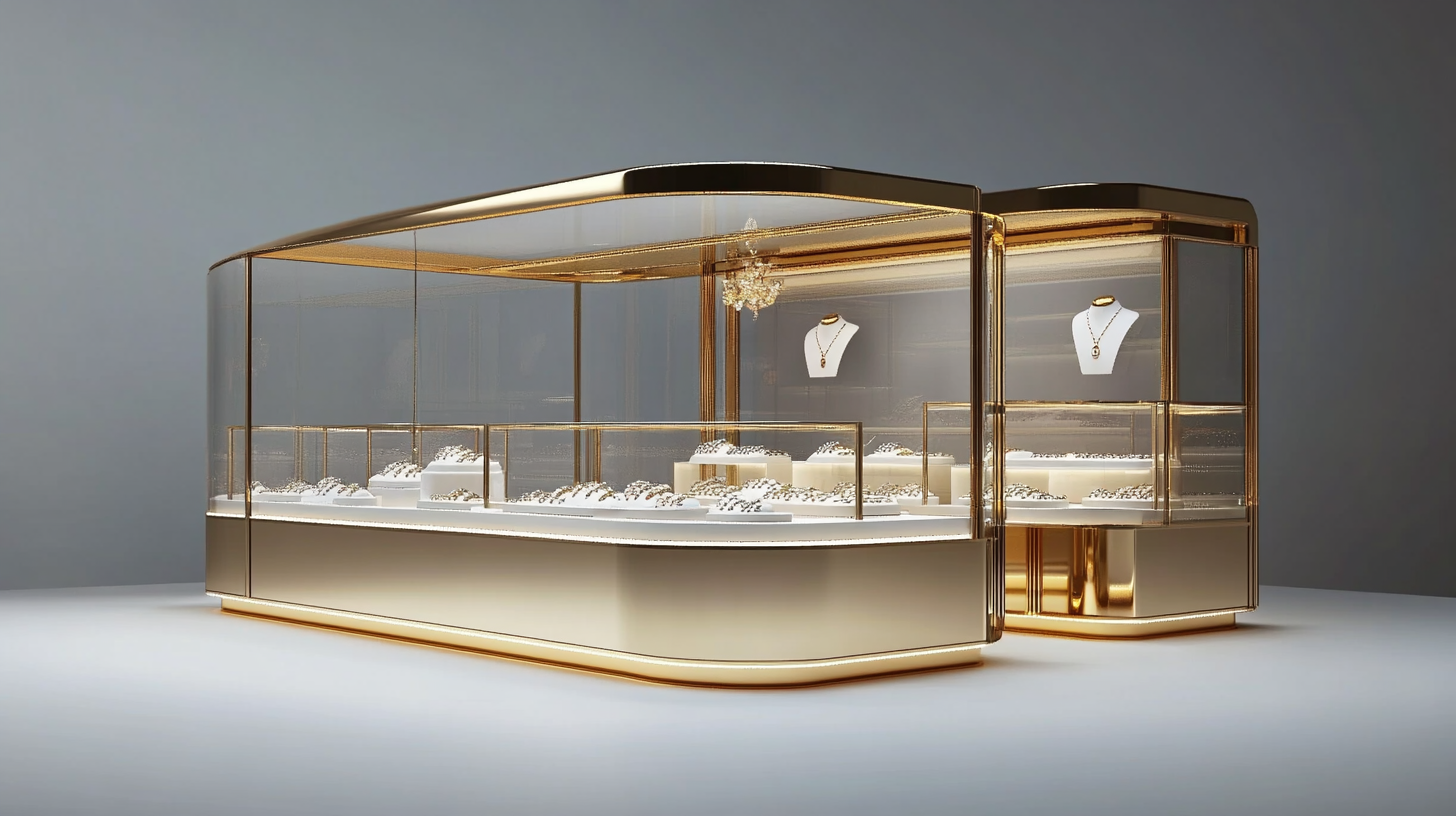
When it comes to the jewelry industry, compliance with important international standards for jewelry display stand imports aids greatly in keeping the marketplace safe and sound. These standards are meant to regulate the materials involved in the display stands, as well as the overall production and design, so as to meet the expectations of both consumers and retailers. A further boost to the name of the business and trust of the consumer strength, in some ways an invaluable currency in today's competitive market, would be gained from compliance with these regulations.
One of the top frameworks that control imports of jewelry display stands deals with questions of safety and environment. Countries normally require that any material employed in marrying the display stands is free from any harmful chemicals and complies with regulations like REACH (Registration, Evaluation, Authorization, and Restriction of Chemicals) in Europe. ISO standards represent the most established international certification in these respects and therefore are bound to direct technical specifications regarding durability and operation, ensuring an absolute exposure of display units to challenges of daily retail scenario as would be seen fit without contributing to a potential decrease of aesthetic value of the exhibited jewelry.
Aesthetic standards are, as well, pivotal in jewelry. Display stands must be as much of a view as they can be, as they serve a direct agenda in the merchandising strategy. International guidelines often address ergonomics in design, the height and distance between the display units in regard to make the products easily visible, and all aspects taken into account during the experience of businesses' customers. By complying with these pivotal international standards, the importer will offer display solutions for eliminating the detriments to the jewelries' display while simultaneously conforming to global trade requirements.
Regulations regarding displays, in fact, vary greatly across the main markets of the world and seriously affect the work of manufacturers and retailers. In North America, safety with respect to health issues is the primary focus of these regulations regarding jewelry product-display stands. Their aim is to protect consumers by ensuring that any materials used for display stands are relatively free of health risks. This is, of course, buttressed by existing strict guidelines issued by organizations like the American National Standards Institute (ANSI).
The European markets, on the other hand, base their regulations primarily on sustainability and the nature of materials used in display stands for jewelry. On a broad scale, the EU has implemented specific directives that manufacturers must follow in regard to environmental regulations, to promote using recyclable materials in production. This not only reflects the increaséd consumer preference for sustainability, but also coincides with wider environmental aims across the continent.
In Asia, the emerging markets are witnessing a dichotomy between tradition and modernity. Countries like China are innovating with their regulatory approaches considering a dual focus of safety and aesthetic appeal, which goes a long way in bringing confidence to the local consumer. Therefore, as globalization in trade continues to evolve, knowledge of these peculiar regulatory schemes would be fundamental for the companies that aspire to navigate successfully through the maze of the imports and exports of the jewelry display stands.
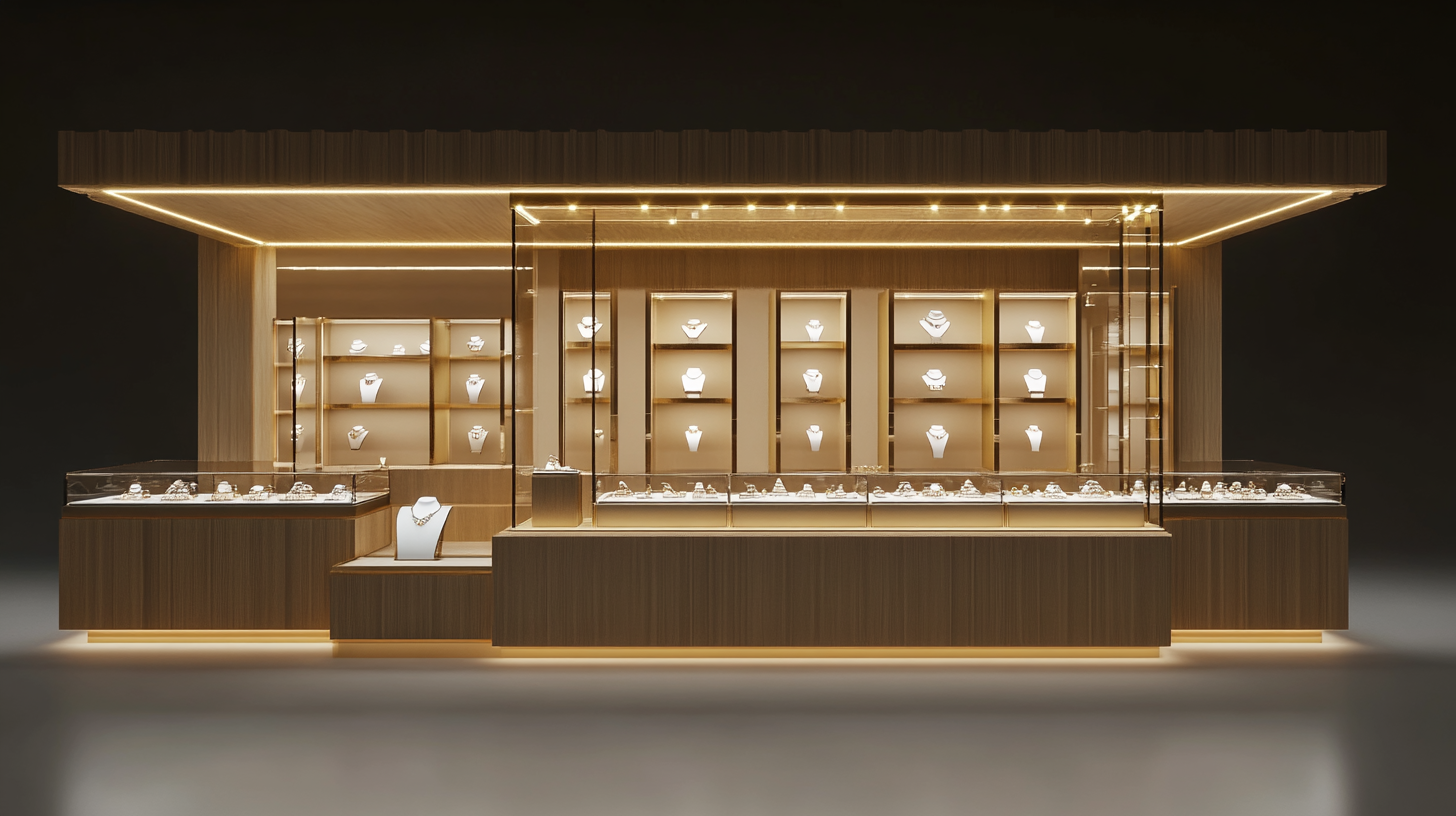
However, some businesses particularly jewelry companies are now undergoing scrutiny to ensure their supply chain meets the criteria set forth by the Uyghur Forced Labor Prevention Act as one of the developing international standards that jewelry display manufacturers comply with requirements to open their window into export activities. Such compliance objectives secure the rights of workers and give authenticity to the brands that are either entering or expanding their markets.
Such compliance regulations signify much to the jewelry display manufacturers. The result from the achievement of this standard is the potential to tap into new markets, especially in areas where consumer awareness on ethically grown products is increasing. Proactive organizations in adopting these compliant practices may meet or woo consumers who seek transparency and integrity in what they purchase. In addition, compliance with such standards may confer competitive advantages in creating tie-ups with retailers and distributors who apply ethical compliance within their supply chains.
Really, there are challenges associated with compliance, but the scope for upgrades in export markets is larger here. Adherence to the measures prescribed by global standards, along with a commitment to the ethical practice of jewelry display manufacturing, could catapult these manufacturers into leadership within an extremely marketable sector: a sector that prides itself on integrity and social responsibility. In this way, such a shift adds to their marketability, but it also tends toward a more sustainable and equitable industry.
In the highly dynamic area of the jewelry industry, emerging innovations in the designs of jewelry display stands are making a revolution in the way products are showcased and perceived. The global competitive market is realizing that it has become important to recognize that jewelry is not only what's within the jewelry store but also how it's presented to consumers. The modern display stands are being designed aesthetically, functionally, and sustainably to cater to the changing tastes and values of today's shoppers.
Innovative designs advocating about durability and environment sustainability are being used as a result of increasing demand for sustainable practices in the marketplace. Besides, the rise of the new display stands is extending into the interactive technology customer platform-shared display stand, which aims to make the shopping experience even more exciting. On the other hand, consumers may end up getting a lot of branding since customizing spaces for retailers is becoming one of the latest trends.
With these emerging and new innovations in the world's market, jewelry firms that embrace such a change would no doubt raise their market potential to a much higher level. This way, they not only make customers come in but also build them as brand loyal people by unforgettable experiences through advanced display systems. A modern display stand is not merely a display of artistic progress; it is a strategic development in the quest for meeting modern consumer expectations and preferences.
The global jewelry display market is projected to reach USD 2.4 billion by 2025.
The jewelry display stand market is expected to grow at a CAGR of 4.8% from 2020.
North America accounts for over 35% of the global share of the jewelry display stand market.
Exports of jewelry display stands from China dominate the market, representing approximately 60% of global exports.
The REACH (Registration, Evaluation, Authorization, and Restriction of Chemicals) regulation in Europe addresses safety and environmental concerns.
Compliance with international standards helps strengthen brand reputation, ensures quality and safety, and builds trust with customers.
Key aspects include design ergonomics, height and spacing for optimal product visibility, and overall customer experience.
North America focuses mainly on safety standards, while Europe emphasizes sustainability and the use of eco-friendly materials.
Emerging markets in Asia, like China, are blending traditional craftsmanship with modern regulations focusing on safety and aesthetic appeal.
Jewelry display stands are pivotal in attracting consumers and enhancing the product visibility and overall customer experience.